

Rhinoplasty in Düsseldorf by Dr. med. Rainer Rupprecht
Cosmetic and functional rhinoplasty – performed by a specialized nose surgeon with over 25 years of experience.
Make an appointment now- Aesthetic rhinoplasty, functional nasal surgery, revision procedures, and reconstructions using rib cartilage
- For aesthetic reasons—such as a nasal hump, a crooked nose, or the tip of the nose—and for functional reasons—such as restricted nasal breathing
- Customized planning based on your preferences—taking into account clinical findings, function, and facial harmony
- Natural-looking results based on your individual preferences
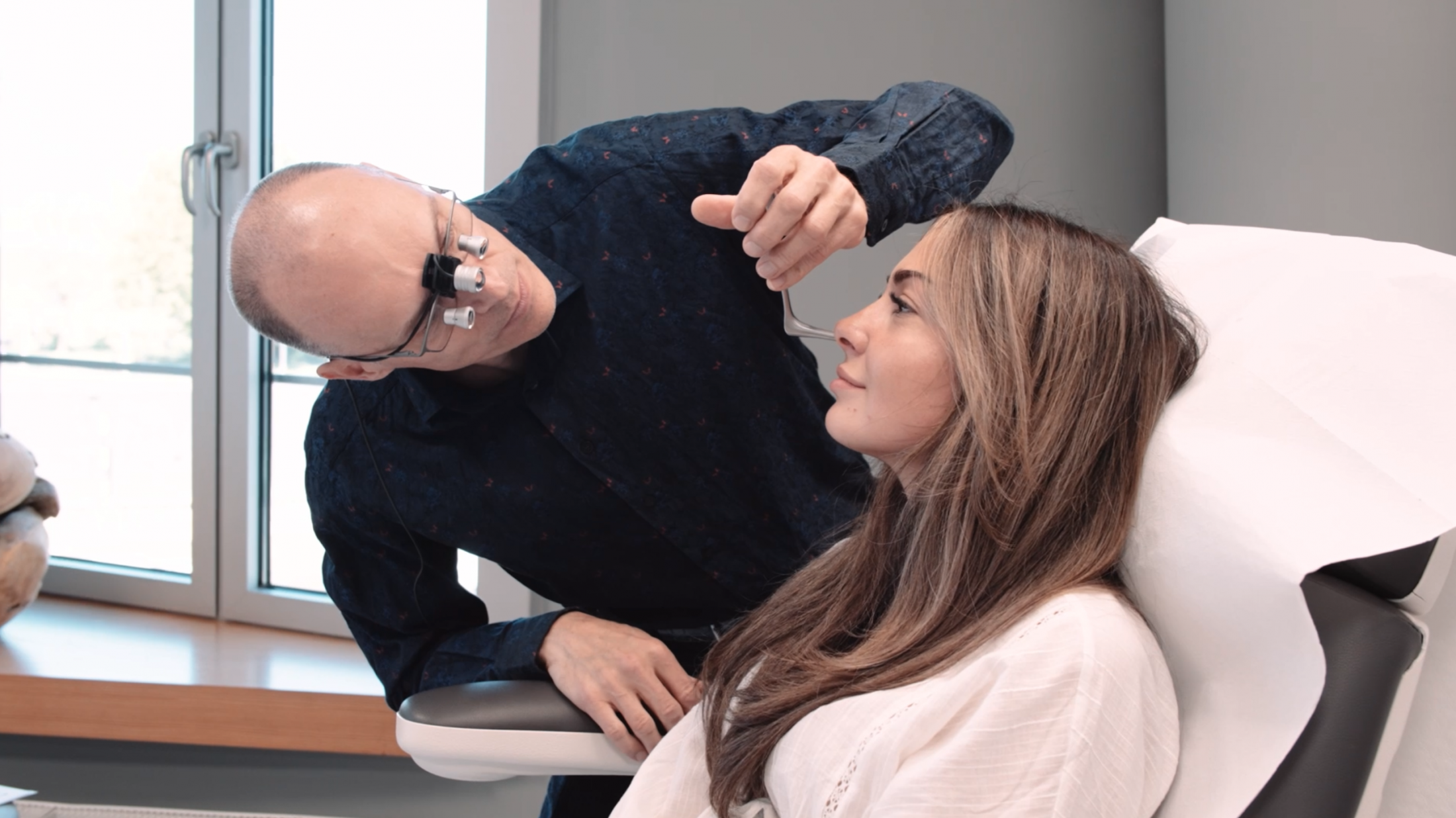

specialization

nose surgeries

Rhinoplasty

in the Medienhafen
Which rhinoplasty is right for your needs?
Whether you have a nasal hump, a crooked nose, a prominent tip, restricted breathing, or require revision surgery: At Plastmed, your nose is carefully examined both internally and externally and individually assessed with regard to findings, function, and aesthetics.
Aesthetic Rhinoplasty – for a more harmonious nasal shape, e.g., for a nasal hump, a wide or prominent nose, or a noticeable nasal tip.
Functional Rhinoplasty – when nasal breathing is restricted, e.g., due to a deviated nasal septum, a displaced internal nasal valve, or a crooked nose.
Revision – for noses that have undergone previous surgery, e.g., in cases of an unattractive shape, asymmetries, or functional complaints.
Reconstruction, often using rib cartilage – following previous surgery or severe trauma, e.g., in cases of a collapsed nasal framework, a fractured nasal septum, or a severely deviated nose.
Personal Assessment
Rhinoplasty is a very personal decision
The nose is located at the center of the face. It defines the profile, influences one’s appearance, and at the same time fulfills an important functional role. Correcting the shape of the nose is considered one of the most challenging procedures in aesthetic surgery. That is why, at Plastmed, every aspect is taken into account when planning and performing rhinoplasty—clinical findings, the patient’s individual wishes, long-term respiratory function and stability, natural aesthetics, and facial harmony.
At Plastmed, a rhinoplasty does not begin with a hasty decision, but with a calm, honest, and medically precise consultation. Dr. Rainer Rupprecht carefully assesses your initial condition and discusses with you which changes are medically appropriate, functionally stable, and aesthetically suitable. Your personal wishes are always the focus and foundation of the aesthetic planning.
Why Choose Dr. Rupprecht for Your Rhinoplasty?
Dr. Rainer Rupprecht, M.D., is a board-certified specialist in plastic and aesthetic surgery and has specialized in rhinoplasty for over 25 years—having performed several thousand rhinoplasty procedures. He is a founding member of the Rhinoplasty Society of Europe (since 2011) and an active member of the American Rhinoplasty Society (since 2009). His focus is on results that look natural, blend seamlessly with your unique facial features, and thus create a harmonious overall appearance.
What this specialization means for you
- A broad spectrum of approaches rather than a single method — clinical findings, stability, function, aesthetics, and individual medical history are assessed in detail—every nose requires the “right” surgical technique for it.
- Dr. Rupprecht performs surgery according to the principle of “Structural Rhinoplasty” — reshaping as much as possible, resecting as little as possible, stabilizing the supporting structures, and – where necessary – reconstructing them. The result is a long-term stable nasal shape combined with good respiratory function.
- Form and function considered together — external shape and internal structure, stability, and good respiratory function; all aspects are incorporated into the planning.
- A realistic assessment before surgery — openly discussing which changes are sensible and realistically achievable—and where the surgical, functional, and aesthetic limits lie.

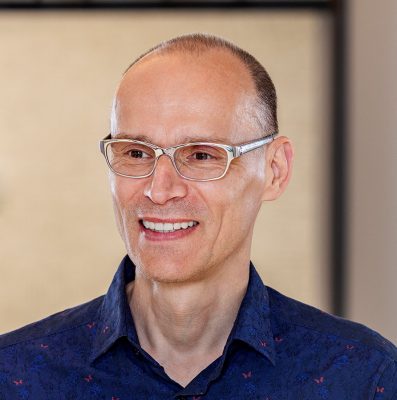
Dr. med. Rainer Rupprecht
Board-Certified Specialist in Plastic and Aesthetic SurgeryWhat Makes for a Good Result
In rhinoplasty, a natural and harmonious aesthetic is key, combined with good and stable respiratory function.
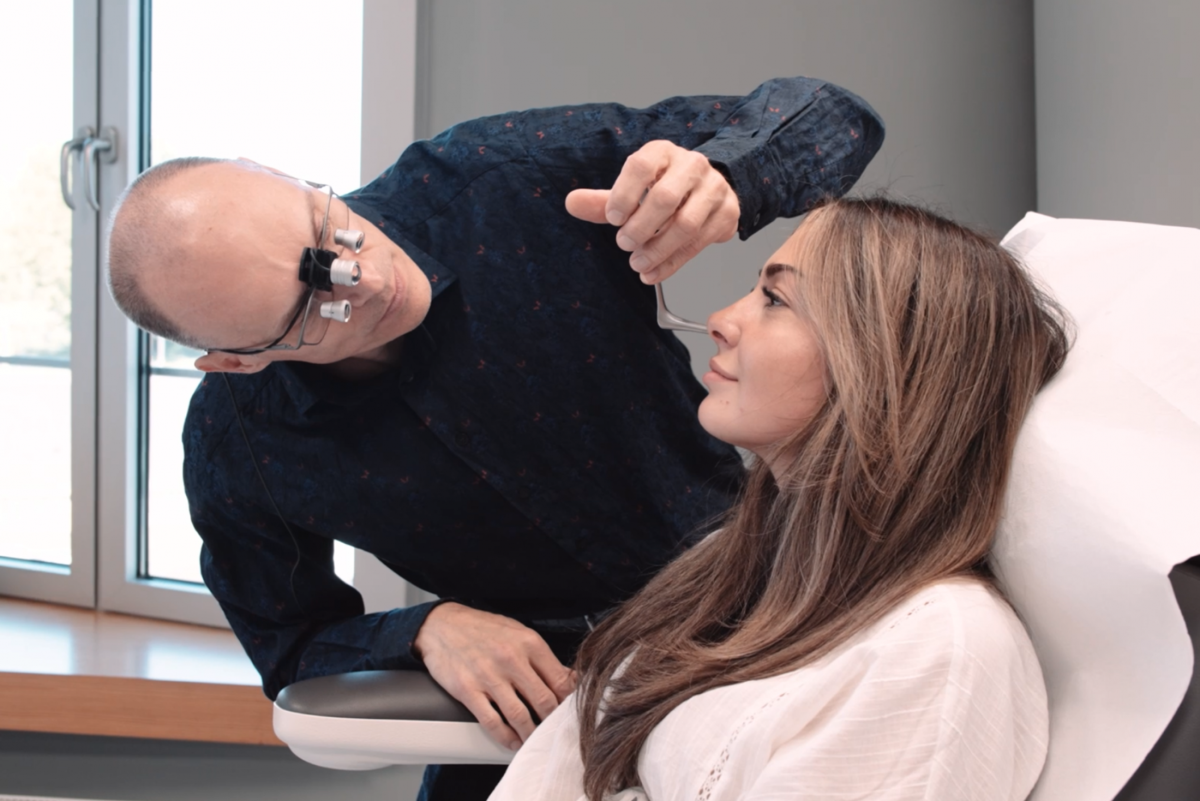
Natural Result
- Harmonious with the Face
- Changes Within Natural Limits
- Subtle and Individual Correction
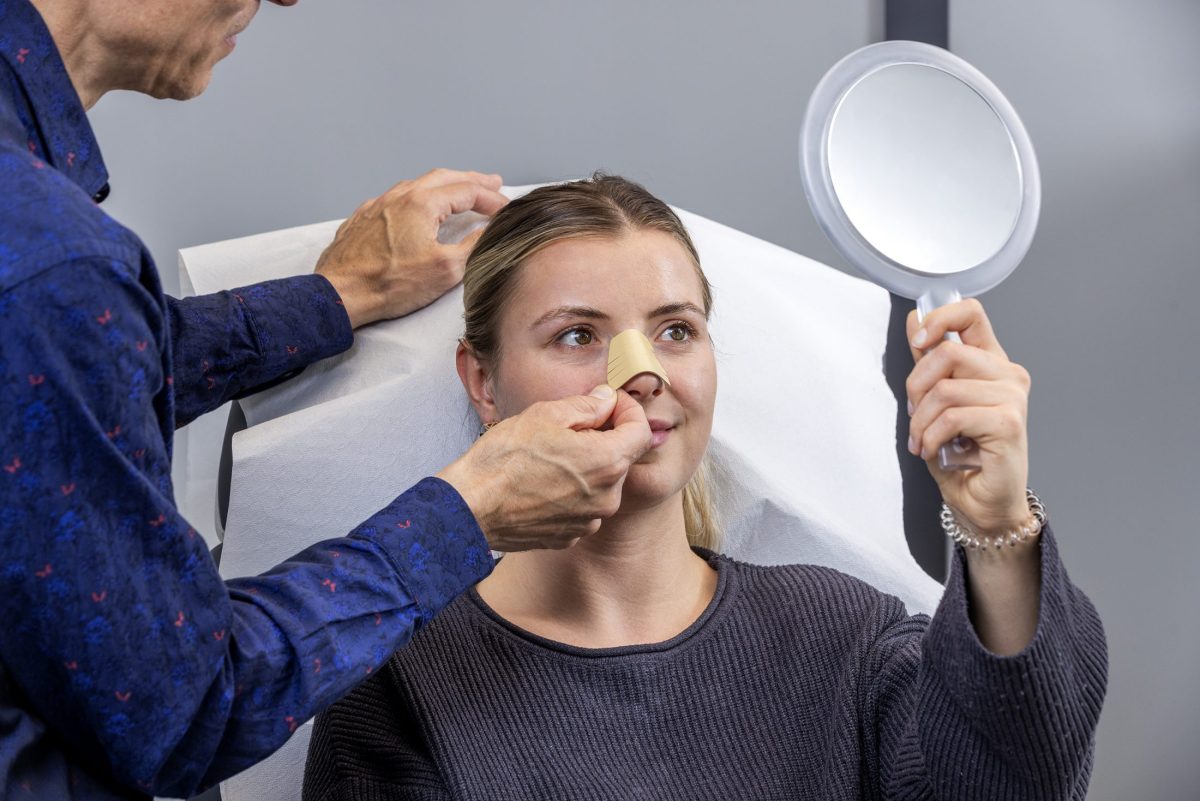
Form and Function
- Improve the shape while stabilizing the airway
- Correction of the nose’s internal and external structures
- Both combined in a single procedure
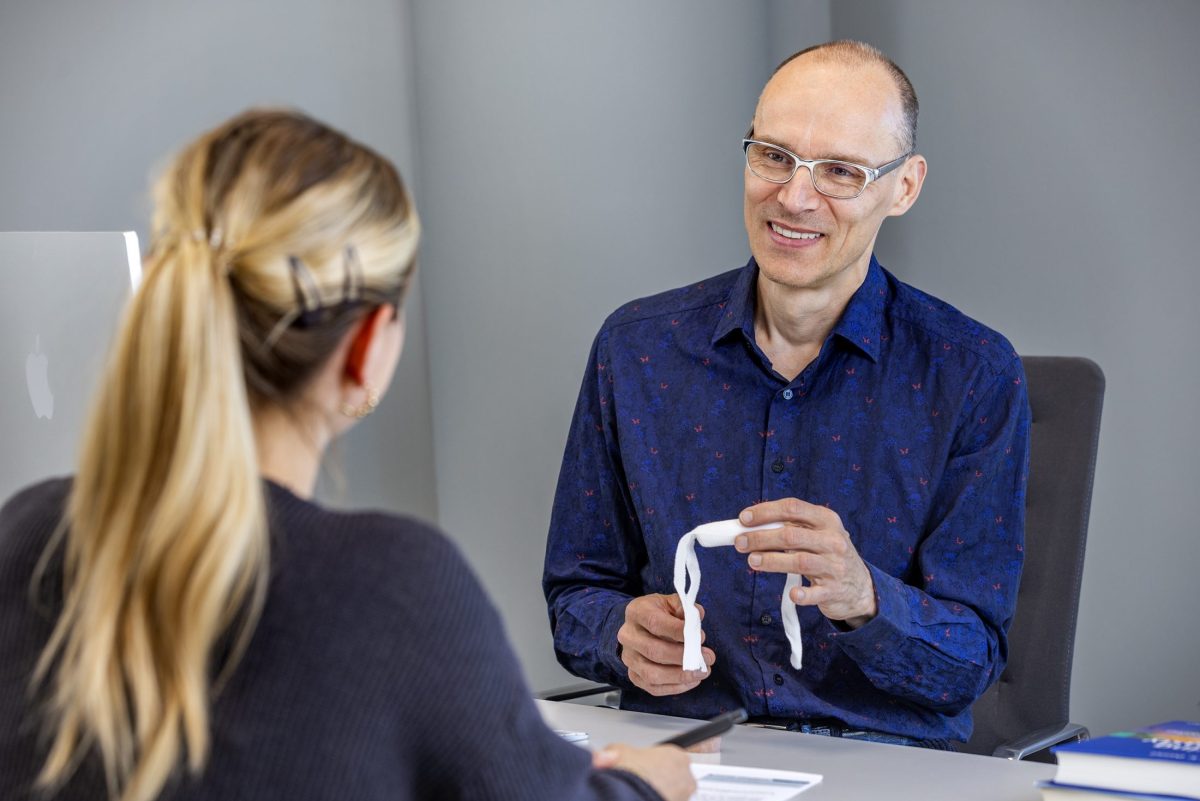
Honest advice, careful planning
- Open and honest consultation about what is realistic
- Limitations are clearly stated
- Always a personal examination and individualized consultation

At a Glance
- Treatment
Aesthetic Rhinoplasty, Functional Nasal Surgery, Revision Surgery, Reconstruction (with rib cartilage) - Physician
Dr. med. Rainer Rupprecht - Location
Plastmed Private Clinic in Düsseldorf - Duration
Approx. 2–6 hours, depending on the scope and initial condition - Anesthesia
Generally general anesthesia - Hospital Stay
Usually 1 overnight stay; 2 overnight stays for complex reconstructions; outpatient treatment possible in select cases - Bandaging
Externally: tapes plus a nasal splint (aluminum); internally: silicone films on both sides of the nasal septum (no packing) - Costs
From approx. €6,000 to over €15,000, plus anesthesia and, if applicable, hospital costs - Social Activities
Often possible after about 10–14 days, depending on the healing process - Sports
Light cardio usually after about 3–4 weeks; contact sports after about 3 months - Final Result
Shape clearly visible after the splint is removed; residual swelling subsides completely over weeks to months - Follow-up Care
Regular checkups and personalized recommendations regarding the healing process
Here’s how a rhinoplasty procedure works at Plastmed
Rhinoplasty requires trust, time, and careful planning. That’s why the entire process is discussed transparently at Plastmed—from the initial consultation to follow-up care.
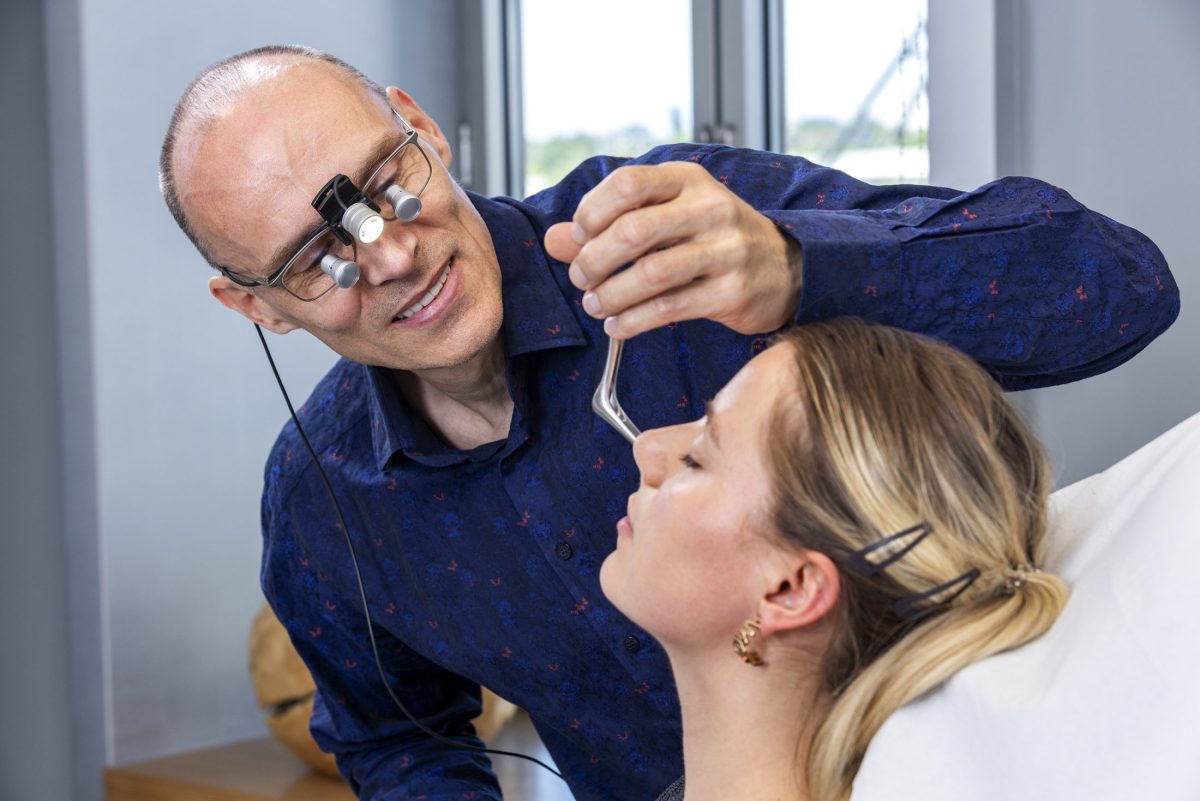
Personal Consultation & Examination
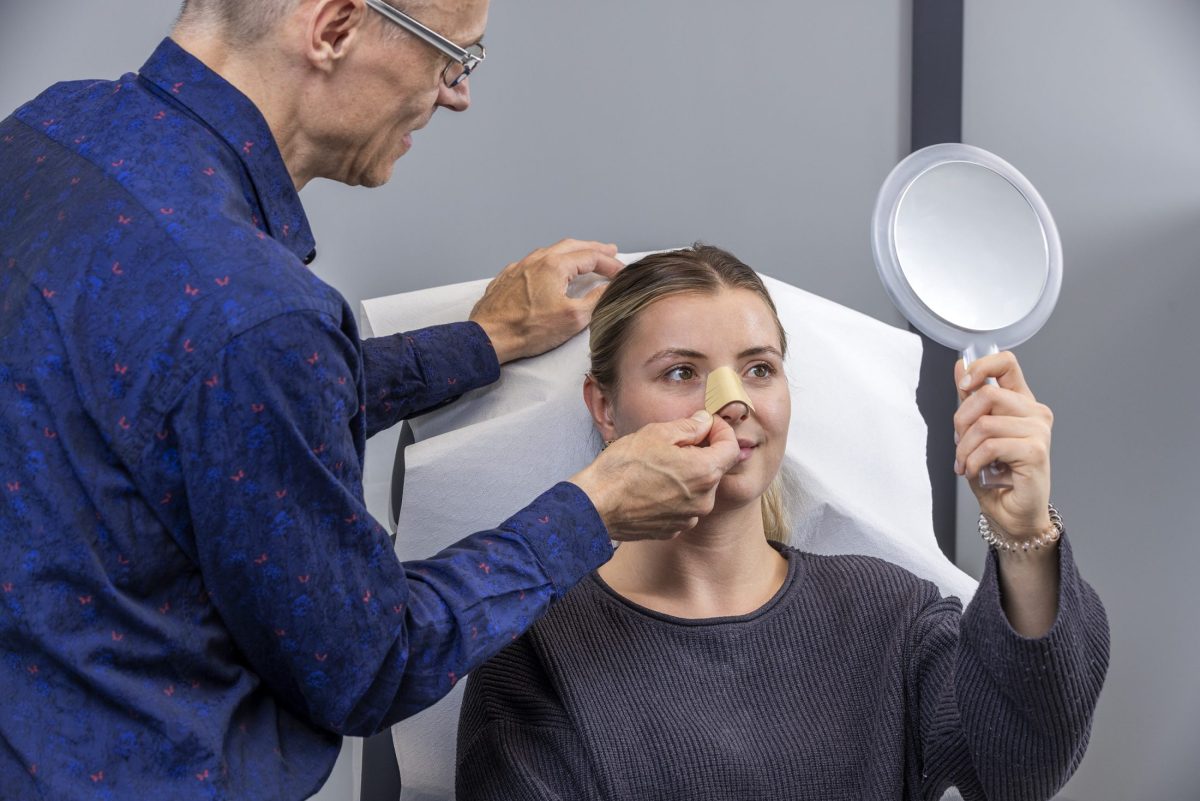
During the first appointment, Dr. Rupprecht discusses your wishes and expectations. He examines your nose both externally and internally and assesses its shape and breathing function. Using standardized photos, a computer simulation of your desired nose shape is created.
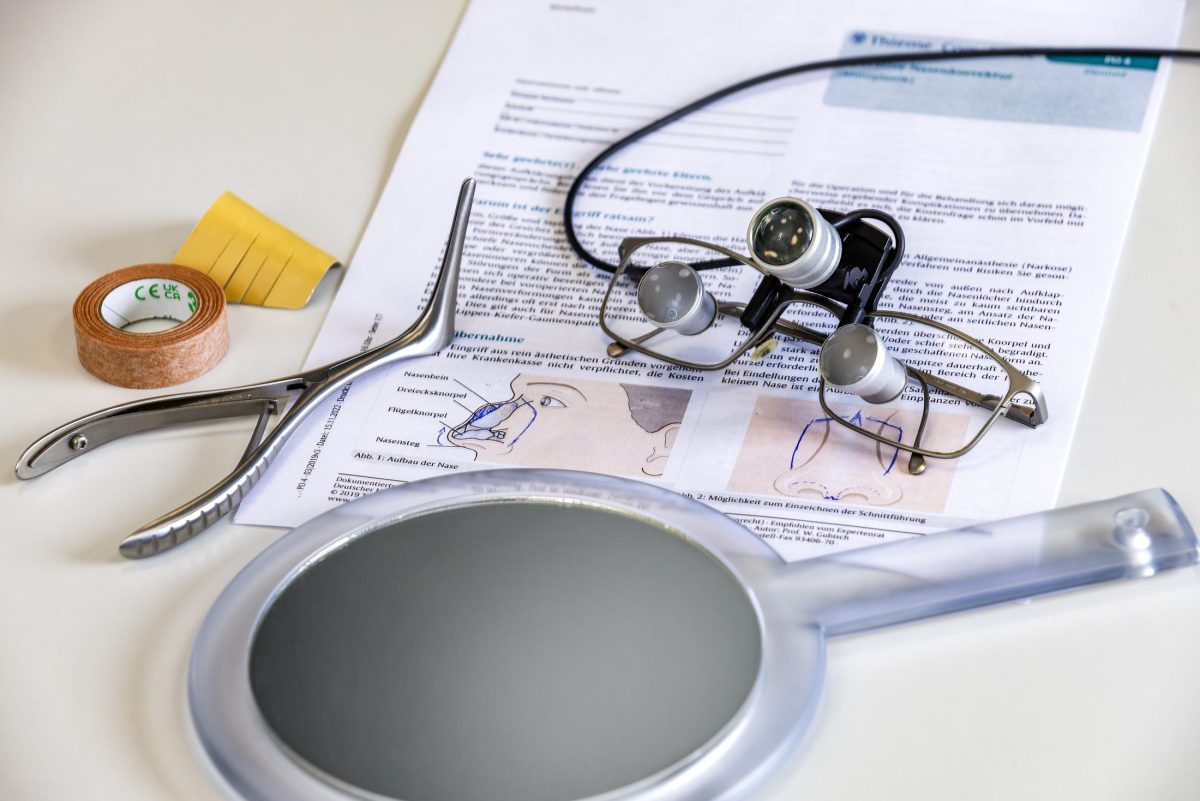
Individual Surgical Planning
Based on the examination, Dr. Rupprecht develops a personalized treatment plan for your nose. Options, limitations, the healing process, and costs are discussed transparently. At least two consultation sessions take place before any rhinoplasty.
Surgery
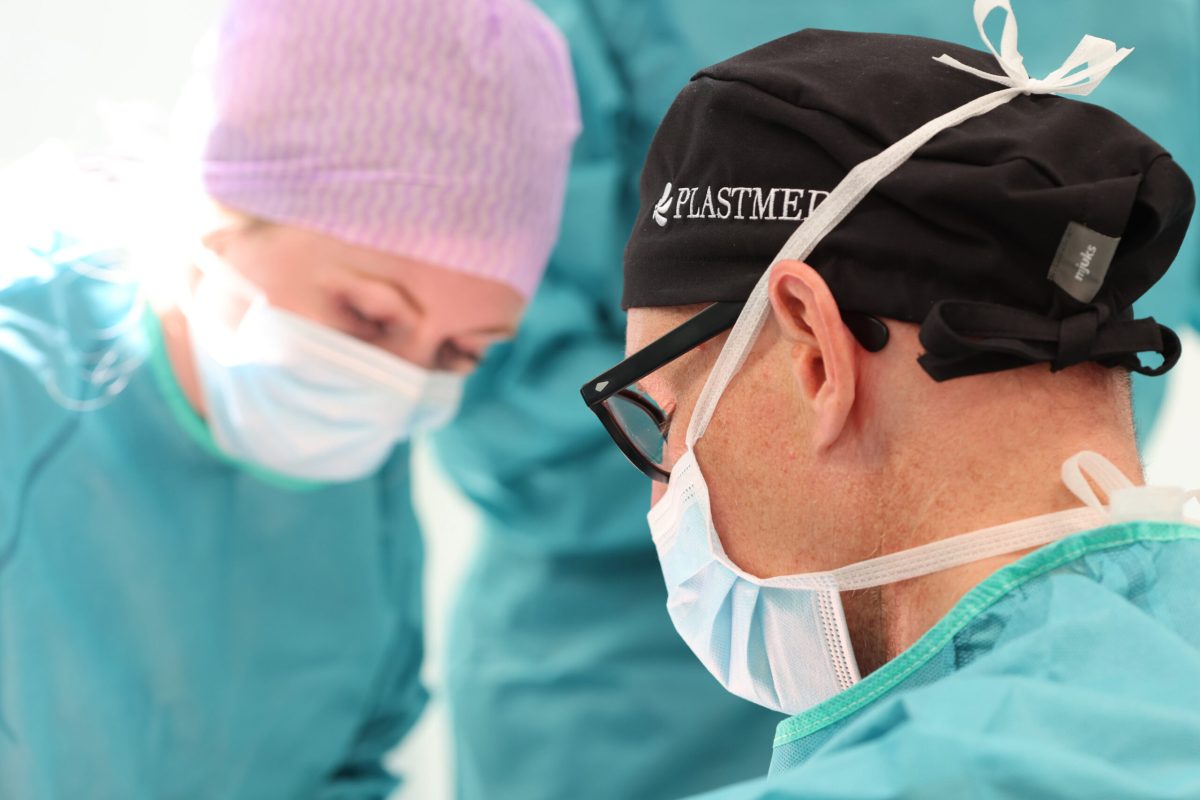
The surgery is typically performed under general anesthesia and always under magnified conditions. From among hundreds of surgical techniques, the procedures that are optimal for your individual outcome are precisely selected and combined. This ensures the best possible aesthetics, function, and stability for your nose.
Recovery & Aftercare
The nose is stabilized externally with tape and an aluminum splint, and internally with silicone sheets on both sides of the septum. Both are removed after one week. During follow-up visits, Dr. Rupprecht monitors the healing process and provides recommendations for aftercare (e.g., nighttime taping) and daily activities (sports and physical exertion).
Rhinoplasty – Results, Healing Process, and Individual Consultation
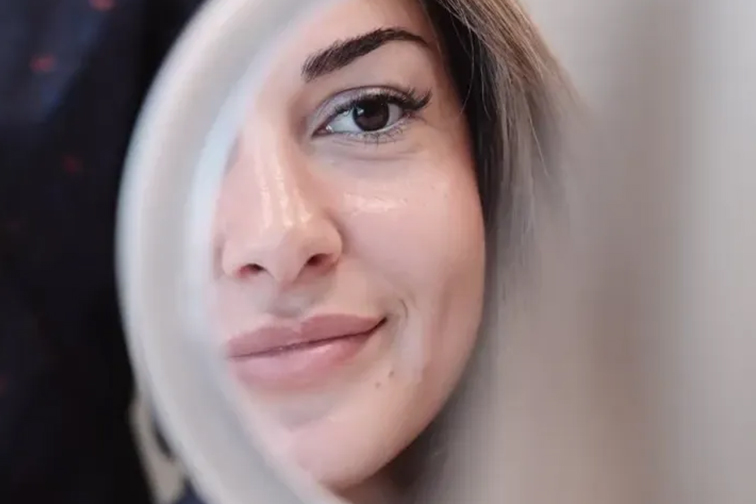
The goal of rhinoplasty is a result in which the natural-looking nose blends harmoniously with the individual’s face and nasal breathing is maintained or – if necessary – improved.
The new shape of the nose is already clearly visible once the nasal splint is removed. Any slight swelling that remains initially will subside over a period of several weeks to months until the final result becomes apparent.
Like any surgical procedure, rhinoplasty carries general risks such as bleeding, infection, and scarring.
Typical side effects following rhinoplasty include swelling and bruising in the midface, the severity of which can vary from patient to patient. Both usually subside after three weeks.
At Plastmed, these issues are discussed openly. Dr. Rupprecht will explain the individual possibilities and limitations of rhinoplasty so that you can make a well-informed decision based on his medical and aesthetic assessment.
Your Nose Surgery with Dr. med. Rupprecht
 © Stephan Wieland, Düsseldorf
Why Choose Plastmed for Your Rhinoplasty in Düsseldorf?
Rhinoplasty can significantly improve the shape of your nose and the aesthetic appearance of your entire face. At the same time, it can help resolve existing nasal breathing difficulties. At Plastmed, every procedure is personally and precisely planned, performed, and monitored post-operatively by a specialist.
- Specialized Rhinoplasty – Dr. Rupprecht has more than 25 years of experience in rhinoplasty and has personally performed several thousand nose surgeries.
- Aesthetics and Function – Nose shape, breathing, and structural stability are considered together in every rhinoplasty, even in purely aesthetic procedures.
- Complex Procedures – Revision surgeries and reconstructive rhinoplasty using rib cartilage grafts are part of the range of treatments offered. Dr. Rupprecht has many years of experience and special expertise in this highly specialized field.
- Honest Consultation – As an expert in rhinoplasty, Dr. Rupprecht provides you with a well-founded assessment of the medically and aesthetically appropriate corrections for your nose. Your individual wishes are always the focus.
- Private Clinic in Düsseldorf – Discreet and personalized care from the initial consultation through surgery to post-operative care.
Reviews
These reviews were shared by individuals who rated our services on independent platforms. As some chose to post under pseudonyms, we are currently unable to verify their authenticity.
How much does rhinoplasty cost at Plastmed in Düsseldorf?
The cost depends on the diagnosis, the extent of the procedure, and the medical complexity. At Plastmed, the cost of rhinoplasty ranges from approximately 6,000 euros to over 15,000 euros, plus anesthesia costs and, if applicable, overnight stay costs at the clinic. An exact estimate is only possible after a personal examination and consultation.
What is the difference between nose surgery, nose correction, rhinoplasty, and rhinoseptoplasty?
“Nose surgery” is the general term. “Nose correction” usually describes a cosmetic alteration of the nose. “Rhinoplasty” is the medical term for surgical reshaping of the nose. “Rhinoseptoplasty” refers to the surgical correction of the external nose and the nasal septum, often for a combination of functional and aesthetic reasons.
When is rhinoplasty medically justified?
Rhinoplasty may be medically indicated if nasal breathing is restricted, the stability of the nose is compromised, or functional symptoms persist following injuries or previous surgeries.
Can rhinoplasty improve breathing?
If an anatomical abnormality impairs nasal breathing, functional nose surgery can improve breathing. Common causes include deviations of the cartilaginous and bony nasal septum, specific narrowings in the airway (internal and external nasal valves), and a deviation of the entire nose. Before the surgery, careful planning is done to determine which structures need to be corrected.
Can aesthetic and functional corrections be combined in a single rhinoplasty?
In many cases, aesthetic and functional corrections can be performed together in a single surgery. Sometimes it is not even possible to draw a clear line between the two. For example, if the nose and nasal septum are severely deviated, straightening the nasal septum and correcting the axis of the external nose are both aesthetically beneficial and functionally indicated.
Is functional rhinoplasty possible without visible external changes?
In purely functional rhinoplasty, some patients place importance on preserving the external shape of the nose. This is possible in most purely functional rhinoplasty procedures. In individual cases, however, surgical steps necessary for functional reasons may also result in a change to the external shape of the nose. This is discussed individually and carefully with the patient prior to surgery.
How long will social activities be restricted after rhinoplasty?
After about a week, the more severe postoperative swelling in the face has largely subsided. The nose itself is still swollen after the nasal splint is removed, though usually to an extent that is more noticeable to the patient than to those around them.
Bruising in the midface can vary in severity. Its extent is unpredictable, and it may take up to three weeks to subside completely.
When will the final result of rhinoplasty be visible?
The new shape of the nose is already clearly visible once the nasal splint is removed. The slight swelling that remains initially subsides over a period of several weeks to months. It can take up to a year for the tip of the nose to fully take shape with its final contour and definition.
Is rhinoplasty possible even after a previous rhinoplasty?
In some cases, a revision procedure may be advisable after rhinoplasty.
In principle, another correction is possible even after a previous rhinoplasty. However, when determining the indication, the benefits and risks must be carefully weighed. Particular challenges include anatomical structures altered by previous surgeries, scar tissue, and nasal skin that has already been detached once or multiple times—the blood supply to which must always be taken into account.
Particularly in cases involving noses that have undergone previous surgery, many years of surgical experience and a specific specialization in complex revision rhinoplasty are crucial. These form the basis both for developing an individualized surgical strategy and for its precise surgical execution—including the stabilization and reconstruction of the supporting nasal structures as well as the correction of the external nasal shape.
Who performs rhinoplasty at Plastmed?
Nose surgeries at Plastmed are performed by Dr. Rainer Rupprecht, M.D. He is a board-certified specialist in plastic and aesthetic surgery and has specialized in rhinoplasty for over 25 years.
Interested in a consultation?
We offer non-binding consultations—either in person at our clinic or conveniently online via video. Here’s what you can expect:
- Personal consultation with a specialist physician
- Confidential one-on-one setting
- Detailed discussion of your goals, treatment options, and associated costs
- Initial consultation fee: €50
- Optional: Online video consultation available
Questions
Do you have any questions about a treatment, our clinic or any other matter? Please feel free to send us a message at any time and we will get back to you as soon as possible.